OMNIA Vatican and Rome Card — honest review for 2026
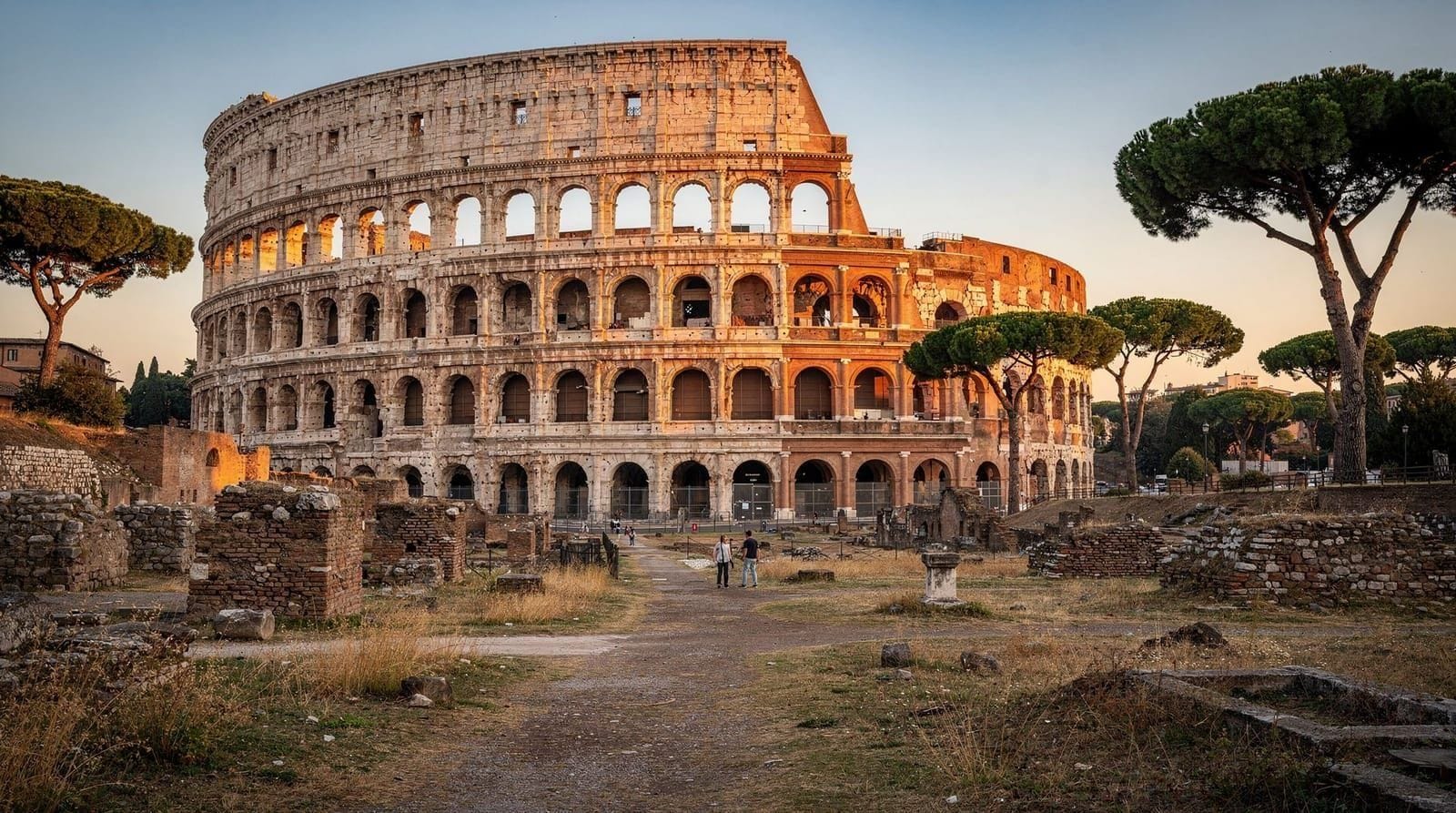
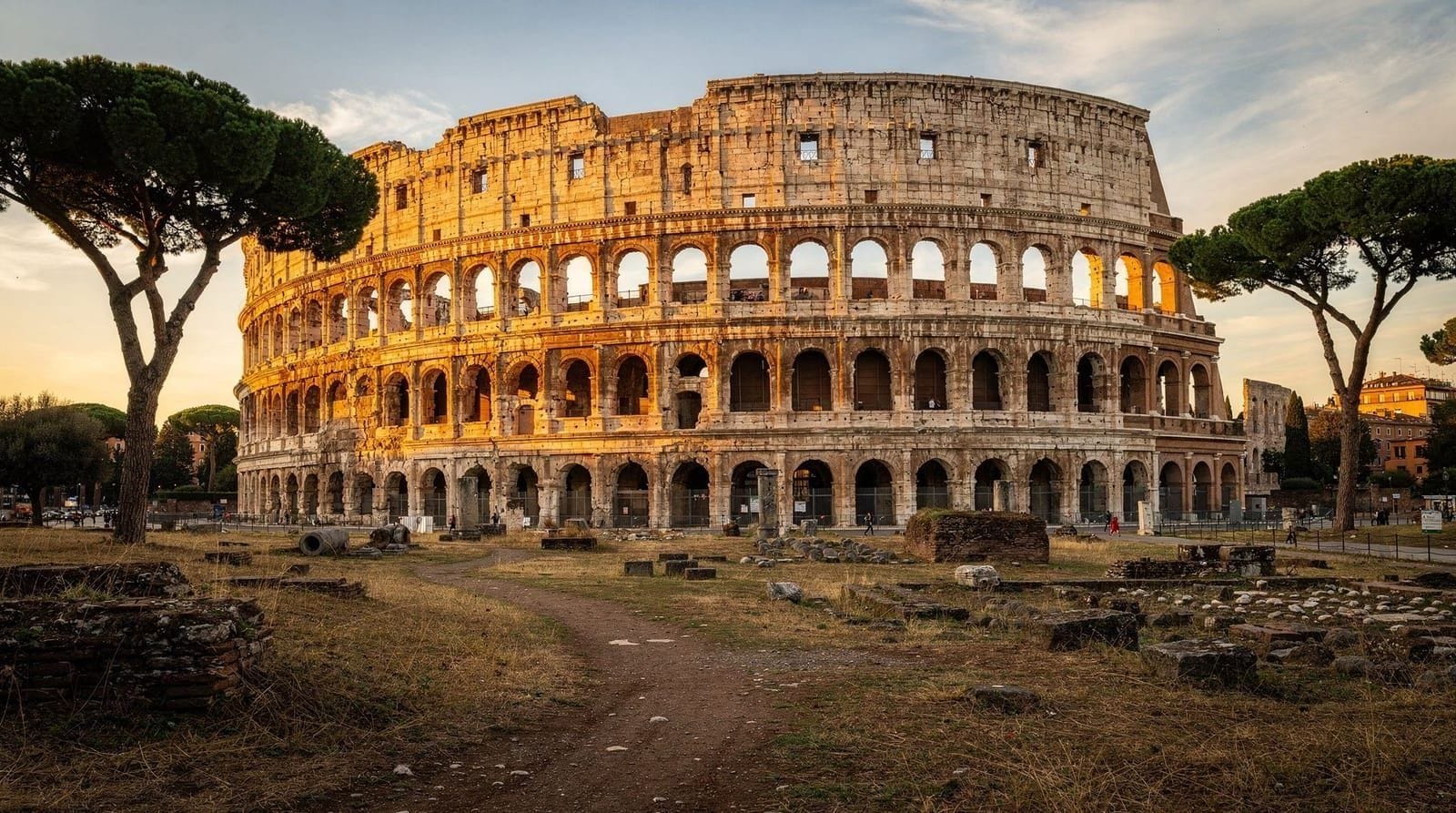
Rome: Hop-on Hop-off Bus and Colosseum, Ancient Rome Tour
Is the OMNIA Vatican and Rome Card worth €149?
For visitors who plan to visit both Vatican Museums (€20) and the Colosseum (€18) within 72 hours while using public transport daily, the OMNIA card can save €20–35 per person. For visitors primarily interested in the Vatican without heavy public transport use, the premium over direct booking is hard to justify. Run the numbers for your itinerary.
What is the OMNIA Vatican and Rome Card?
The OMNIA Vatican and Rome Card is a bundled tourist pass that combines Vatican Museums skip-the-line access with a Roma Pass equivalent — unlimited public transport plus one free state museum entry. It is marketed to visitors who want both the Vatican and Rome’s state museums handled in a single purchase.
Pricing as of June 2026: €149 for the 72h adult card, €69 for children 6–17, free for under-6.
The OMNIA is sold and managed by the Vatican Museums gift shop and approved operators — it is not a city of Rome product (the Roma Pass is). The OMNIA’s Vatican access is directly allocated by the Vatican Museums, while the Roma Pass equivalent within the bundle is licensed from Roma Capitale.
| Price | Around €149/adult, €69/child (6–17), 72h |
| Includes | Vatican Museums, transport, 1 free state museum |
| Best for | Last-minute planners, families wanting one purchase |
| Skip if | You’re comfortable booking Vatican + Colosseum separately |
| Buy at | omniavaticanrome.com |
Detailed cost breakdown
Does the OMNIA card actually save money? Here is the calculation for a representative 3-day visitor:
Itinerary: Vatican Museums, Colosseum + Roman Forum + Palatine, 9 metro/bus trips total, Castel Sant’Angelo.
| Item | Without OMNIA | With OMNIA |
|---|---|---|
| Vatican Museums ticket | €20 | €0 (included) |
| 72h public transport | €22 | €0 (included) |
| Colosseum + Forum + Palatine | €20 | €0 (free entry) |
| Castel Sant’Angelo | €18 | discounted rate, see omniavaticanrome.org |
| Total | €80 | €149 + discounted Castel Sant’Angelo ticket |
In this scenario the OMNIA costs far more than booking separately. The card only saves money if you use significantly more transport, visit more covered attractions, or heavily use the discount network.
Realistic break-even scenario: Two adults, intensive 3-day itinerary — Vatican, Colosseum, Capitoline Museums, National Roman Museum, Castel Sant’Angelo, and 15+ daily transport uses. In that case, per-person savings might reach €15–25. But that requires an exhausting schedule that few leisure visitors actually complete.
Honest verdict: The OMNIA card’s pricing largely reflects a convenience premium for avoiding three separate booking platforms. For organised travellers comfortable booking independently, individual tickets are almost always cheaper.
When the OMNIA card is genuinely worthwhile
Scenario 1: First-time visitors who want everything handled If managing three separate booking platforms feels overwhelming, the OMNIA is a reasonable choice. The breakeven shortfall (typically €30–60 per person for 3 days) is a realistic convenience fee.
Scenario 2: Families with young children Juggling Vatican, Colosseum, and ATAC bookings with young children in tow is genuinely stressful. Under-6 is free; child prices (€69 for ages 6–17) are fair. The single purchase simplifies logistics.
Scenario 3: Last-minute planners If you are within a week of your visit and the Vatican official site shows limited availability, OMNIA’s allocated slots may still be open when the public pool is exhausted. This is the card’s clearest functional advantage — Vatican Museums access even when museivaticani.va shows nothing available.
What the OMNIA card is missing
St. Peter’s Dome climb: Not included. €8 (stairs) or €10 (lift + stairs), paid at the basilica.
Borghese Gallery: Not included. Book separately at tosc.it/borghese. See Borghese tickets guide.
Vatican Gardens: Not in the standard card. Requires a separate booking.
Domus Aurea: Not included. Must be booked independently.
Private museums: Doria Pamphilj, Villa Farnesina, Palazzo Venezia — none covered.
Restaurant and shop discounts: Partner discounts of 10–15% are listed in the OMNIA welcome guide. In practice the savings are minimal unless you specifically seek out partner venues.
The hop-on hop-off bus component
The OMNIA card includes access to a sightseeing bus loop. This covers the main tourist circuit (Colosseum, Vatican, Trevi, Spanish Steps) for orientation but is not equivalent to the unlimited ATAC coverage. For practical point-to-point travel — going from Testaccio to Prati, from Termini to Ostia Antica — you need the Metro and bus network, which the OMNIA does include via its Roma Pass equivalent.
Rome Hop-On Hop-Off bus with Colosseum stopActivating the OMNIA card correctly
Step 1: Purchase online at omniavaticanrome.com. You receive a digital card (or voucher exchangeable for a physical card at sales points near the Vatican).
Step 2: For Vatican Museums access, present your OMNIA card at the dedicated OMNIA/tour group entrance (typically Via dei Bastioni di Michelangelo). This bypasses the standard queue.
Step 3: For the state museum free entry (most visitors use it for the Colosseum), you still need to book a timed slot via coopculture.it using the OMNIA card’s associated Roma Pass code. The same Colosseum slot-booking requirement applies as with the standalone Roma Pass.
Step 4: For transport, tap the OMNIA card on ATAC validators (bus, metro). The 72h transport clock starts from your first tap.
Important: Vatican access does not require a separate timed booking. The OMNIA card functions as your Vatican skip-the-line admission — present it at the dedicated entrance and walk through security screening.
OMNIA vs Roma Pass vs individual tickets — quick comparison
| Individual tickets | Roma Pass 72h | OMNIA 72h | |
|---|---|---|---|
| Typical cost (adult) | €60–75 | €62.90 + extras | €149 |
| Vatican included | No | No | Yes |
| Transport included | No | Yes (72h) | Yes (72h) |
| Colosseum slot | Direct booking | Via pass code | Via pass code |
| Flexibility | Maximum | Medium | Less |
| Best for | Planners | City explorers | Vatican-first visitors |
For a full side-by-side comparison, see Roma Pass vs OMNIA.
Rome City Sightseeing Hop-On Hop-Off (standalone alternative)Frequently asked questions about the OMNIA card
Does the OMNIA card include the Raphael Rooms?
Yes. Vatican Museums entry covers the complete standard visitor route including the Egyptian Museum, Gallery of Maps, Raphael Rooms, and Sistine Chapel. The Raphael Rooms are part of the standard museum circuit.
Can I use the OMNIA card on consecutive days for the Vatican and the Colosseum?
Yes, provided both visits fall within your 72-hour validity window. Time the activation accordingly. Most visitors do Vatican on day 1 and Colosseum on day 2 within the same 72h window.
Is the OMNIA card refundable if I cannot travel?
Standard OMNIA cards are non-refundable once activated. Unused cards purchased online may be exchangeable or refunded before activation — check the specific terms at omniavaticanrome.com at time of purchase.
Does the OMNIA child price include Vatican entry?
Yes. The child card (€69, ages 6–17) includes Vatican Museums access equivalent to the adult card. Children under 6 are free with a paying adult but require registration — check current OMNIA terms.
What’s the OMNIA card’s advantage for the Vatican compared to just booking on museivaticani.va?
The primary advantages: allocated slots that may be available when the official site is sold out; dedicated fast-track entrance; bundling with transport and state museum access in one purchase. The disadvantage: €97–129 premium over the official €20 Vatican ticket alone. Whether those advantages are worth the premium depends on your planning style and travel dates.
Does the OMNIA card cover the Colosseum arena floor or underground tours?
No — the free state museum entry included in the OMNIA bundle covers standard Colosseum, Roman Forum and Palatine Hill admission only. Arena floor access and underground tours are separately guided, timed products sold independently by CoopCulture and licensed operators, and are not part of any tourist card, OMNIA included. See our Colosseum tickets guide for how those upgrades work and what they add.
Planning the days around the card
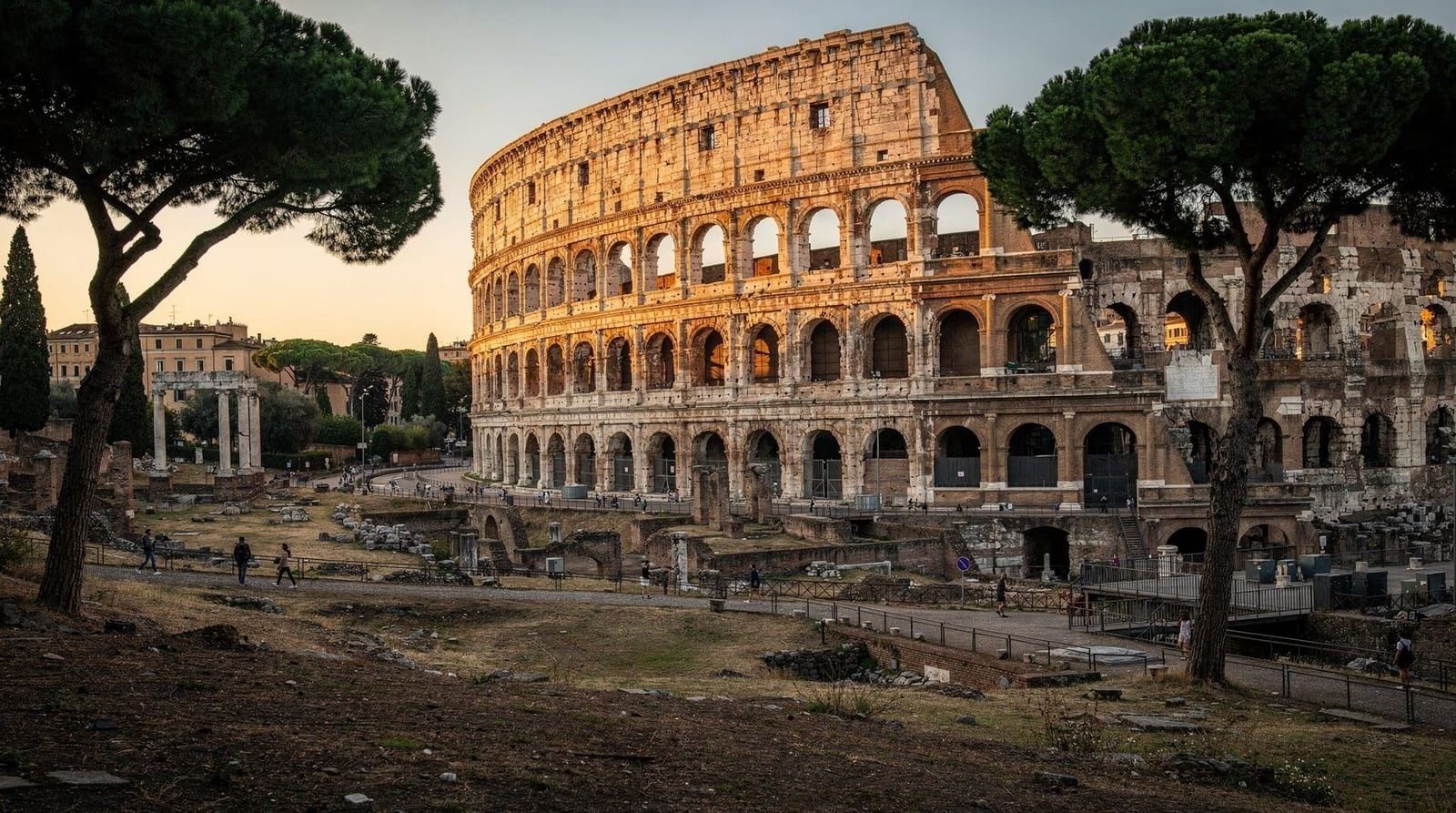
A pass only pays off if the days are built around it, so decide the order of your visits before you activate anything. Put the two big timed visits on separate days and keep the third day loose. The Vatican side of the city pairs naturally with Prati and the area around Castel Sant’Angelo, so read the Vatican and Prati neighbourhood guide and the Prati neighbourhood guide before you decide where to eat and stay. The ancient core is a different part of town, covered in Celio and Colosseo and in the Colosseum, Roman Forum and Palatine guide.
If you want a ready-made order for the days, the Rome in 3 days itinerary and the first-timer 3-day itinerary both fit a 72-hour window well. Travellers with only a day or two can start from Rome in 2 days, though a 72-hour card is then harder to justify. The Rome first visit plan helps you decide whether the sequence suits you at all.
Two habits make the card easier to live with. First, treat the transport clock as a resource: do the far-flung visits early in the window and leave the walkable centre for the end. Second, keep the digital card and the booking confirmations together on your phone, so that a dead battery does not cost you an entrance.
How the card fits the Vatican visit itself
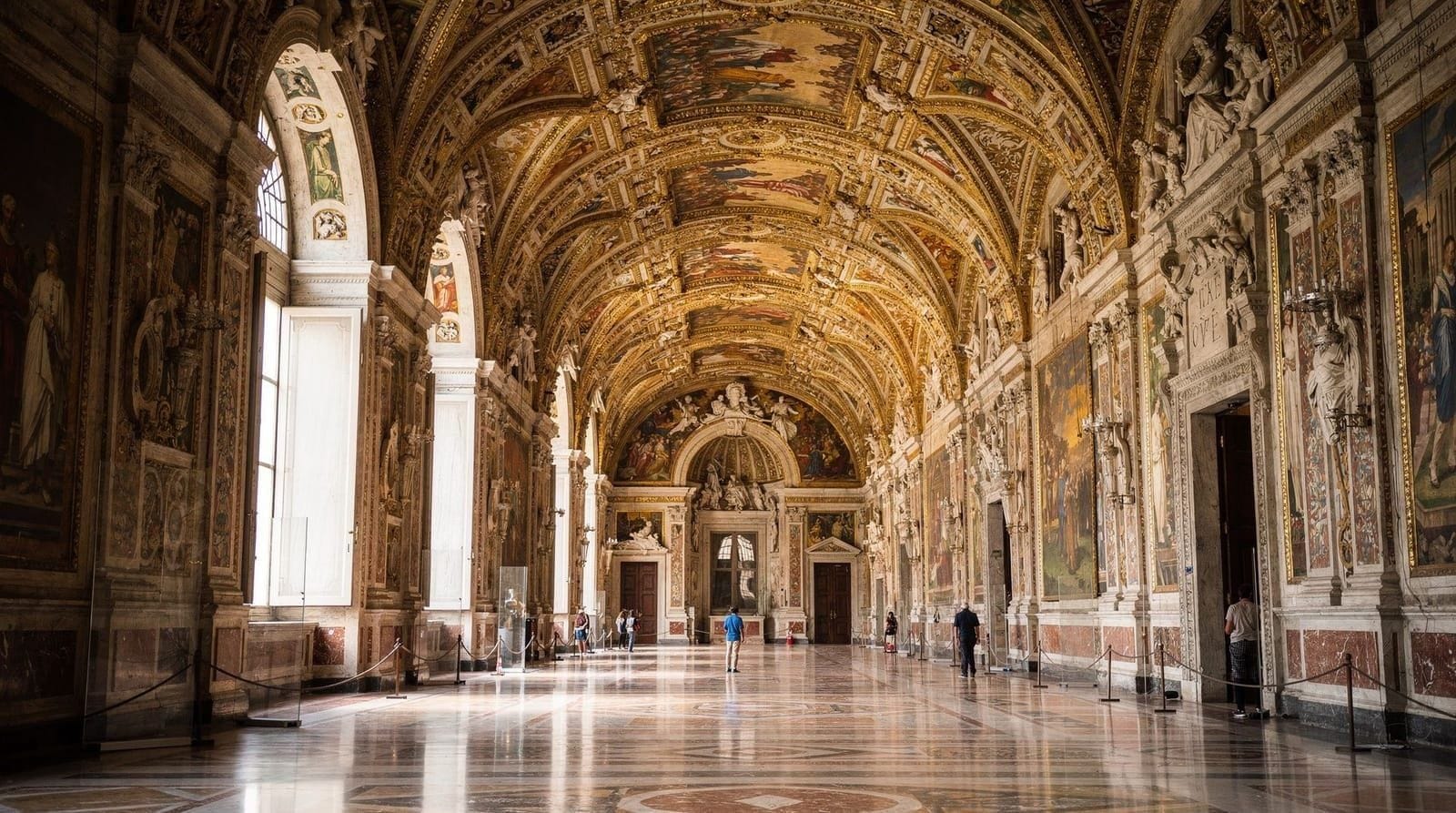
The Vatican Museums are large, and a card does not change how much there is to see. It changes how you get in. Once inside, the route is the same as for any other visitor, ending in the Sistine Chapel and, for many people, a walk across to the basilica. Our Vatican Museums and Sistine Chapel guide and the Sistine Chapel guide explain what to expect room by room, and the Raphael Rooms guide is worth reading if that is the part you care about most.
Dress rules apply whichever ticket you hold. Shoulders and knees must be covered for the museums and the basilica, and staff can refuse entry regardless of how you booked, so check the Vatican dress code rules the night before. The best time to visit the Vatican guide also matters: a card gets you past the ticket queue, but it does not thin out the crowds inside, and the avoid Rome crowds guide has the pacing advice that applies here.
If the dome appeals, remember that it is not part of the card, which is why we have a separate St. Peter’s dome climb guide and a St. Peter’s Basilica guide. Some visitors prefer a guided option that bundles the museums with the dome, which can replace the card entirely if the Vatican is your main goal.
Questions to settle before you pay
Before buying, it helps to ask yourself a handful of honest questions. How many paid sights will you really visit, as opposed to hope to visit? Will you walk most of the time, as many visitors to the centre do, or ride the Metro and buses constantly? The Rome metro guide shows how limited the metro network is in the historic centre, which is one reason the transport element often delivers less than people expect. Are you travelling in a season when walking is pleasant, or when you will want to ride everywhere?
Think also about the people in your group. A solo traveller who loves museums gets a different return from a couple who want a slow lunch and a single big sight each day. If you are weighing alternatives, the Rome skip-the-line tickets guide and the Vatican skip-the-line tickets guide show the cheaper ways to avoid queues without a bundled card.
Finally, remember that scams exist around tickets and passes. The Rome ticket scams to avoid guide explains why you should only buy from the official seller named above, and not from street vendors offering a card or a place in a queue.
Who should book the OMNIA card versus doing it alone
The decision genuinely comes down to planning style rather than pure arithmetic. If you already know you want to book Vatican Museums slots, a Colosseum time, and an ATAC transport pass separately, and you are visiting more than a week out, independent booking through Vatican tickets and the Colosseum tickets guide will almost always cost less — often by €50–70 for a single adult. If you are booking within days of arrival, traveling with children, or simply want one purchase to stop thinking about, the OMNIA’s convenience has real value even at a premium. For a broader view of which Rome pass (if any) suits your trip, our Rome tourist cards worth it guide and the dedicated Roma Pass guide cover the cheaper alternative in detail, and Rome attraction reservations explains the booking mechanics common to all of these passes.
Free museum days are a completely different value lever worth knowing about regardless of which card you choose — see Rome free entry days for the state museum calendar, which can make a card unnecessary for one leg of your itinerary entirely.
Top experiences
Bookable activities with verified prices and instant confirmation on GetYourGuide.